
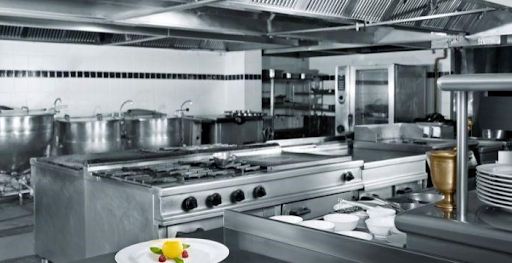
Having confidence in teamwork, good organisation and reliable equipment is essential in a successful professional kitchen all day long. Industrial catering equipment is useful in ensuring that food is prepared in a uniform manner, properly stored and efficiently served in hectic situations. Whether it’s a restaurant or an institutional kitchen, various kinds of kitchens have various types of working routines in which they have to operate. Arranging stations suitably will enable staff to operate from the cooking area to the preparation and serving area without excessive delay or disruption. Veteran suppliers can educate businesses about practical elements, installation requirements, and maintenance considerations before they decide on appliances. A well-planned menu also allows for variations and changes in menu offerings as well as service patterns and future efficiencies in operation.
Smooth Operations
Commercial ovens & preparation counters/mixers support staff to reliably perform basic tasks. Workstations are well organized, and ensure that frequently used ingredients, utensils, etc. are available during high demand duties. Smart designs promote teamwork among chefs, kitchen staff and those who assemble completed orders. Reliable equipment minimises unwanted downtime, enabling staff to focus on timing, presentation and customer experience. This organised procedure is maintained throughout the shifts because of routine servicing procedures and simple operation. In the end, spaces that are well-envisioned enhance the ability to keep a creative kitchen and still maintain attention to detail and stay grounded in the chaos of being busy.
Consistent Quality
Customers enjoy food with the same taste, appearance and quality as their previous meals. Employment various kinds of professional appliances, which can be used to establish regulated temperatures and repeatable settings to facilitate careful execution of established recipes. For industrial catering equipment, catering businesses can select from the various functions that will match their menus and service requirements. Good controls ensure the consistency of the chefs’ work as well as some room for the chef’s creativity. Clear training will help employees know how to use the features properly and with confidence, on a day-to-day basis. All combined, these routines add to a pleasant eating experience and a reliable standing in knowledge and careful making of food.
Food Safety
Practical kitchen design can facilitate the system of safe food handling and promote suitable cooking habits. If installed, monitored and maintained properly, equipment can be kept at suitable storage temperatures with appropriate refrigeration. The easy-to-clean surfaces promote deep sanitation on all areas in which the team prepares and serves, for various team members. It is also better to have workstations clearly marked to facilitate staff and ensure they are able to handle ingredients in accordance with the manually agreed procedures. Training and documented food safety practices are assisted by well-chosen cooking appliances for good temperature control. The qualified technicians will be able to provide the schedule and the requirements for the inspections and servicing of equipment employed in each facility.
Flexible Workspaces
As menus evolve, user preferences and services change over time; what is then needed is a professional kitchen. Flexible workstations make it quicker to reorient the workspace to align with the most common activities of the work teams. The appropriate provider will have the ability to provide industrial catering devices that suit many strategies and evolving working needs. Space requirements will be evaluated, and modular counters and versatile appliances can assist in new workflows. It takes into account ventilation, electrical connectivity and ease of access for servicing or inspection as well. Staff can take part in layout discussions and can contribute to the ideas and experience that staff have garnered in the kitchen.
Professional Support
When it comes to finding an appliance, this isn’t enough to ensure reliable performance during the workday. Established suppliers can explain technical requirements, appropriate attachments and connections to current systems before the installation process kicks off. Qualified installers properly connect and commission appliances as per instructions and applicable requirements. Practical training will allow employees to develop their awareness of controls, cleaning procedures and operating duties under their specific control. Ongoing maintenance advice provides a solid foundation for planning maintenance inspections and actioning any emerging issues. When equipment must change with varying menus or production, there is also easily available support to help teams.
Conclusion
Having the equipment, planning, and experience of people right from the beginning is the foundation of a dependable catering operation. Industrial catering equipment is carefully chosen to facilitate effective systems and workflows, safe cooking, and appropriate food handling. Comfortable workstations facilitate team coordination during preparation while keeping focus on presentation and the quality of their work. Flexible layouts can also be used with changing menu items and even customer demands without losing flexibility and easy organization. Reliable working in busy environments with professional installation, training, and regular servicing. This holistic approach leads to a restaurant kitchen where employees can feel good about their work.