
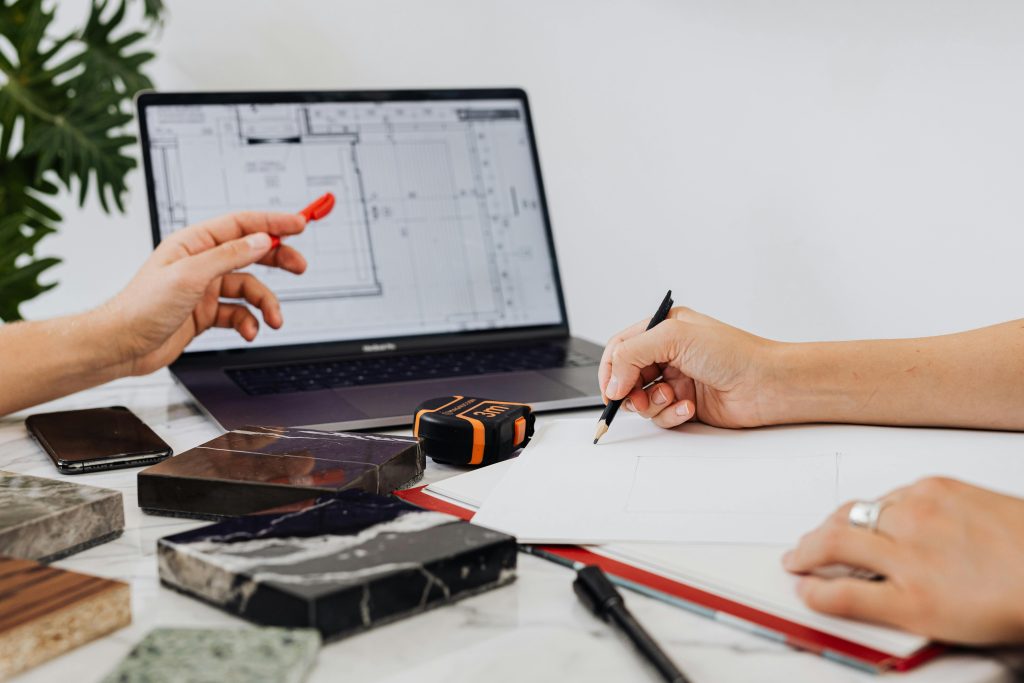
Understanding the Purpose of Property Upgrades
Property upgrades are more than just aesthetic improvements—they are strategic investments aimed at increasing value, functionality, and market appeal. Whether you are preparing to sell, rent, or simply enhance your living space, having a clear goal is essential before starting any upgrades.
The first step is evaluating your property’s current condition. Identify areas that need improvement, such as outdated interiors, structural issues, or inefficient layouts. Not all upgrades provide equal returns, so focusing on high-impact areas ensures better results.
Location also influences upgrade decisions. Properties in premium areas may benefit more from luxury enhancements, while homes in budget-friendly neighborhoods should focus on cost-effective improvements. Understanding your target market helps you make smarter investment choices.
Setting a budget is crucial. Overspending on upgrades can reduce your return on investment. Planning costs carefully and prioritizing essential improvements ensures you stay within budget while achieving maximum impact.
High-Impact Interior Improvements
Interior upgrades often deliver the most noticeable transformation. Kitchens and bathrooms are particularly important, as they significantly influence property value. Modernizing these spaces with updated fixtures, cabinets, and finishes can create a strong impression.
Painting is one of the simplest yet most effective upgrades. Neutral colors make spaces look larger, cleaner, and more appealing to a wide range of buyers or tenants. A fresh coat of paint can instantly refresh the entire property.
Flooring is another key element. Replacing worn-out carpets or outdated tiles with modern materials such as hardwood or laminate can enhance both appearance and durability. Quality flooring adds a sense of luxury and improves overall aesthetics.
Lighting improvements can also make a big difference. Bright, well-lit spaces feel more welcoming and spacious. Adding modern light fixtures or maximizing natural light can significantly improve the ambiance of a property.
Storage solutions are often overlooked but highly valuable. Built-in wardrobes, shelves, and cabinets increase functionality and make the property more attractive to potential buyers.
Enhancing Exterior and Curb Appeal
The exterior of a property is the first thing people notice, making curb appeal a critical factor. Simple improvements like landscaping, cleaning the driveway, and repainting the exterior can create a strong first impression.
Upgrading the entrance is another effective strategy. A well-designed front door, clean pathways, and attractive lighting can make the property feel more inviting. Small details such as house numbers and mailboxes also contribute to the overall look.
Outdoor spaces have become increasingly important. Adding features like a patio, garden, or seating area can enhance usability and appeal. These spaces provide additional value, especially for families and individuals who enjoy outdoor living.
Roof and structural maintenance should not be ignored. Even if these upgrades are not immediately visible, they are essential for long-term value. Addressing issues like leaks or damaged structures prevents costly repairs in the future.
Energy-efficient upgrades are also gaining popularity. Installing solar panels, improving insulation, or upgrading windows can reduce energy costs and attract environmentally conscious buyers.
Maximizing Return on Investment
To get the best return on your upgrades, it’s important to focus on improvements that offer the highest value. Not every upgrade needs to be expensive—smart, targeted changes often yield better results than large-scale renovations.
Researching market trends can help identify what buyers or tenants are looking for. Features like open layouts, modern kitchens, and energy efficiency are often in high demand. Aligning your upgrades with these trends increases your chances of success.
Hiring professionals for certain tasks can ensure quality results. While DIY projects can save money, poor execution may reduce the property’s value. Skilled contractors can deliver better finishes and long-lasting improvements.
Timing also plays a role in maximizing returns. Upgrading a property before peak selling seasons can increase its appeal and market value. Planning your upgrades strategically ensures you benefit from favorable market conditions.
Regular maintenance should be part of your strategy. Keeping the property in good condition prevents deterioration and maintains its value over time. Small, consistent efforts can save significant costs in the long run.
Property upgrade strategies, when planned and executed effectively, can significantly enhance both value and appeal. By focusing on high-impact improvements, maintaining quality, and aligning with market demands, you can achieve a strong return on your investment while creating a more functional and attractive space.