
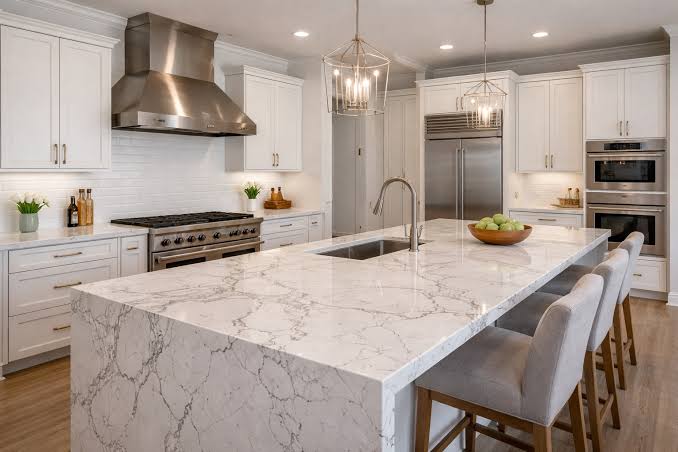
Hotel renovations require careful material selection because every design decision affects guest experience, operational efficiency, and long-term maintenance. Quartz countertops for hotel renovations offer a practical option for properties seeking an attractive, durable surface that can accommodate frequent use.
From guest bathrooms and reception desks to restaurants and hospitality suites, engineered quartz provides design flexibility alongside functional benefits. With material expertise from manufacturers such as Hyundai L&C, hotel owners and renovation professionals can make informed decisions about incorporating quartz into different areas of a property.
Why Quartz Countertops Are Suitable for Hotel Renovations
Hotels experience considerably more daily activity than most residential properties. Guest rooms, public restrooms, restaurants, and reception areas must maintain their appearance despite frequent use, regular cleaning, and exposure to everyday spills. Countertop materials must therefore balance visual appeal with practical performance.
Engineered quartz is manufactured using natural quartz particles combined with polymer resins and pigments. This composition creates a consistent surface with a wide range of colors, patterns, and finishes. Unlike natural stone, which can have significant variations between slabs, engineered quartz generally offers greater pattern consistency, making it easier to maintain a coordinated design across multiple rooms.
Its nonporous surface is another important consideration. Because it does not require the same sealing procedures as many natural stone surfaces, quartz can simplify routine maintenance. However, proper cleaning practices remain essential to preserve its appearance and prevent damage.
Choosing Quartz Countertops for Hotel Renovations by Application
Not every hotel area has the same functional requirements. Selecting a countertop should involve evaluating how the space will be used, the level of activity it receives, and the maintenance procedures required.
Guest Room Bathrooms and Vanity Areas
Bathroom countertops are exposed to water splashes, toiletries, cosmetics, and personal care products. A suitable surface should be easy to clean and maintain while complementing the bathroom’s overall design.
Quartz is a practical option for hotel bathroom vanities because its nonporous construction helps limit liquid absorption. Its availability in different colors and patterns also allows designers to coordinate countertops with wall finishes, bathroom fixtures, cabinetry, and flooring.
Lighter quartz designs can create a clean, spacious appearance, while darker options can introduce contrast and visual depth. For hotels with numerous guest rooms, selecting a consistent color and pattern can help establish a recognizable interior style throughout the property.
Reception Desks and Concierge Counters
The reception area creates an important first impression. Front desks and concierge counters must accommodate daily interactions, paperwork, computer equipment, and other operational activities while maintaining an attractive appearance.
Quartz offers a refined finish that can complement contemporary, traditional, or minimalist hotel interiors. Large countertop surfaces can also create a cohesive visual statement, particularly when paired with complementary cabinetry and architectural details.
When specifying quartz for reception areas, consider the countertop’s thickness, edge profile, dimensions, and support requirements. These details influence both its appearance and its ability to withstand everyday operational demands.
Restaurant and Bar Countertops
Hotel restaurants, breakfast areas, and bars require surfaces that can accommodate food service activities and frequent cleaning. Quartz can be considered for suitable serving counters, beverage stations, and decorative bar surfaces.
However, material selection should account for the specific conditions of each application. Engineered quartz generally has limited heat resistance compared with some alternative countertop materials. Direct contact with hot cookware, heated equipment, or appliances should be avoided unless the manufacturer confirms that the particular application is suitable.
Food preparation areas must also meet applicable sanitation and food safety requirements. Hotel operators should verify that the selected quartz product is approved for its intended use rather than assuming that every engineered stone surface is suitable for commercial food preparation.
Important Factors When Selecting Hotel Quartz Countertops
Choosing a countertop involves more than comparing colors and prices. Several technical and practical considerations can influence the success of a hotel renovation.
1. Durability and Surface Performance
Hotel countertops must withstand repeated contact with personal belongings, cleaning equipment, and everyday objects. Quartz is generally resistant to scratches and ordinary surface wear, although it is not completely scratch-proof. Heavy impacts, abrasive materials, and improper handling can still cause damage.
Evaluate the manufacturer’s technical specifications, including hardness, stain resistance, and recommended applications. These details provide a clearer understanding of how the material is expected to perform under actual operating conditions.
2. Color and Pattern Consistency
Large hospitality projects often involve multiple countertops installed across several floors or rooms. Choosing a design with consistent coloration and pattern distribution helps maintain visual continuity.
Request physical samples or full slab references before approving a material. Small samples may not accurately represent the appearance of larger installations, particularly when the design includes prominent veining or movement.
3. Maintenance Requirements
Cleaning procedures should be practical for housekeeping and maintenance teams. Most quartz surfaces can be maintained using a soft cloth, water, and a mild cleaning solution recommended by the manufacturer.
Avoid harsh chemicals, abrasive pads, and cleaning products that may damage the resin component or alter the surface finish. Establishing clear maintenance instructions can help prevent unnecessary repairs and preserve the countertop’s appearance.
4. Installation Quality
Even high-quality materials require proper fabrication and installation. Incorrect measurements, inadequate support, poorly finished edges, and unsuitable cutouts can compromise the finished countertop.
Work with experienced fabricators who understand the material’s handling requirements. Particular attention should be given to sink openings, faucet holes, seams, corners, and areas surrounding appliances.
Designing Hotel Interiors Around Engineered Quartz
A successful hotel renovation should create a consistent visual experience without making every space look identical. Quartz provides flexibility because it is available in designs that resemble natural marble, granite, concrete, and other architectural materials.
For luxury hotels, marble-inspired quartz can complement sophisticated interiors, particularly when paired with metallic fixtures, decorative lighting, and neutral cabinetry. Boutique hotels may benefit from distinctive patterns or darker surfaces that reinforce a more individual design concept.
Business hotels often prioritize clean, understated finishes that remain visually appealing across different guest rooms and shared spaces. Neutral shades, subtle veining, and coordinated bathroom surfaces can help create this atmosphere.
Designers should also consider lighting conditions when selecting quartz. Natural and artificial lighting can influence how colors and patterns appear. Reviewing samples under the lighting conditions of the actual installation area can help prevent unexpected differences after completion.
Budgeting and Planning a Hotel Countertop Renovation
Renovation budgets should account for more than the initial cost of the countertop material. Fabrication, transportation, installation, finishing, and future maintenance all contribute to the overall investment.
Before placing an order, establish the total countertop requirements for each area. Accurate measurements and a detailed installation plan help reduce material waste and avoid delays caused by incorrect dimensions.
Hotel managers should also consider renovation scheduling. Replacing countertops in occupied properties may require phased installation to minimize disruption to guests and employees. Coordinating material deliveries, fabrication schedules, and installation teams can help keep the project organized.
When comparing suppliers, evaluate product specifications, available slab sizes, warranties, technical documentation, and after-sales support. The lowest initial price does not necessarily represent the best long-term value if the material is unsuitable for its intended application.
Common Mistakes to Avoid When Choosing Quartz
Even a visually attractive countertop can become a poor investment when important project requirements are overlooked. Hotel renovation teams should avoid several common mistakes.
- Selecting based on appearance alone: A countertop should meet the functional requirements of its intended location, not simply match the interior design.
- Ignoring heat limitations: Quartz should not be exposed to direct heat without following the manufacturer’s recommendations.
- Overlooking slab variations: Different batches or production runs may have noticeable variations in color and pattern.
- Choosing unsuitable cleaning products: Strong chemicals and abrasive materials can affect the surface finish.
- Underestimating installation details: Poor measurements, unsupported overhangs, and improperly finished seams can affect the finished result.
- Failing to review warranties: Product coverage and exclusions should be understood before finalizing a material specification.
Addressing these considerations during the planning stage can reduce installation problems and help ensure that the selected countertops meet the property’s operational needs.
Making a Long-Term Investment in Hotel Countertops
A successful hotel renovation requires materials that support both the property’s design direction and its everyday operational demands. Quartz countertops for hotel renovations provide a combination of design flexibility, consistent appearance, and relatively straightforward maintenance, making them worth considering for guest bathrooms, reception areas, and selected food service applications. With material options from Hyundai L&C, hotel owners and designers can consider different quartz designs to complement their property’s interior style and functional requirements.
The best results come from matching the material to its intended use, reviewing technical specifications, and working with qualified fabrication and installation professionals. By considering durability, maintenance, aesthetics, and total project costs together, hotel owners and designers can make more informed countertop decisions that support a welcoming and functional hospitality environment.